
 Felix Mckinney
Industrial strata units are becoming more popular among Small and Medium Enterprises (SMEs) in Singapore. They offer flexibility, affordability, and ownership benefits. These meet the varied needs of SMEs.
Real estate developers are helping drive the demand for these units. They provide solutions that fit the specific needs of SMEs. This makes industrial strata units a great choice for businesses wanting to own their space.
The appeal of industrial strata units lies in their ability to give SMEs a sense of security and stability. This allows them to concentrate on their main business activities.
Key Takeaways
- Industrial strata units offer flexibility and affordability for SMEs.
- Real estate developers play a crucial role in driving demand for these units.
- SMEs benefit from ownership and control over their premises.
- Industrial strata units provide a sense of security and stability.
- These units cater to the diverse needs of SMEs in Singapore.
Understanding Industrial Strata Units
For businesses looking to invest in industrial properties, it’s key to grasp the details of industrial strata units. These units are a type of property ownership where each unit in a larger industrial area is sold to different owners.
Unlike traditional industrial properties, where one entity owns the whole property, industrial strata units let multiple owners own their units. This setup is like residential strata properties but is made for industrial use.
Industrial strata units share common areas and facilities like parking, loading bays, and security. A management corporation, chosen by the owners, takes care of these common areas.
One big difference between industrial strata units and traditional industrial properties is the control and flexibility they offer. In a strata setup, owners have more say over their units. This lets them use their space as needed for their business.
When comparing industrial strata units to residential properties, it’s clear they meet industrial needs better. Industrial strata units have features like high ceilings, heavy-duty flooring, and lots of space for machinery. These are not common in residential properties.
For construction companies or businesses familiar with residential properties, knowing about industrial strata units is crucial. Understanding their benefits and characteristics helps businesses make smart investment choices in Singapore’s industrial property market.
Key Benefits for Small and Medium Enterprises (SMEs)
Industrial strata units are becoming popular among SMEs. They offer a mix of affordability, flexibility, and easy access to funds. For many SMEs, buying or leasing big commercial spaces is too expensive and requires long-term commitments.
One big plus is how affordable these units are. SMEs can own or lease a part of a bigger building at a lower cost. This is key for SMEs with limited budgets and tight financial needs.

Getting funding for industrial strata units is also easier. This makes it simpler for SMEs to get the money they need. With more funds available, SMEs can invest in things like new equipment, hiring staff, or marketing, helping their business grow.
These units also offer flexibility in how they can be used. SMEs can customize the space to fit their needs, whether it’s for storage, offices, or both. This flexibility helps SMEs adjust as their business evolves or market conditions change.
In summary, industrial strata units are a great option for SMEs. They provide the benefits of being affordable, easy to finance, and flexible. This helps SMEs run their businesses efficiently and grow in competitive markets.
Ideal Locations for Industrial Strata Units
The right location is key for SMEs in industrial strata units. In Singapore, major cities are best because they’re close to important infrastructure and transport.
Places like Jurong, Tampines, and Changi are popular for industrial units. They’re near highways, airports, and seaports. This makes moving goods and services easier and cheaper for SMEs.
Being near other businesses and industries also helps. It encourages teamwork and new ideas. Areas with lots of industrial activity have better support services for SMEs.
When picking a spot for an industrial unit, SMEs should think about access, amenities, and property management. Working with skilled contractors is also important for any changes or upgrades.
In summary, the best spots for industrial units in Singapore are those that are easy to get to, have good infrastructure, and support businesses well. Choosing wisely helps SMEs grow and succeed.
How SMEs Can Maximize Industrial Strata Unit Potential
To get the most out of their industrial strata units, SMEs should focus on customization and efficient space management. Customizing the space to fit specific business needs can greatly improve productivity. For example, Property and Builders can help design layouts that optimize workflow and reduce unnecessary movement.
Investing in flexible design elements is another key strategy. This includes modular furniture and movable partitions. These allow businesses to change their space as needed. This flexibility is very useful for SMEs with changing workforce sizes or operational needs.
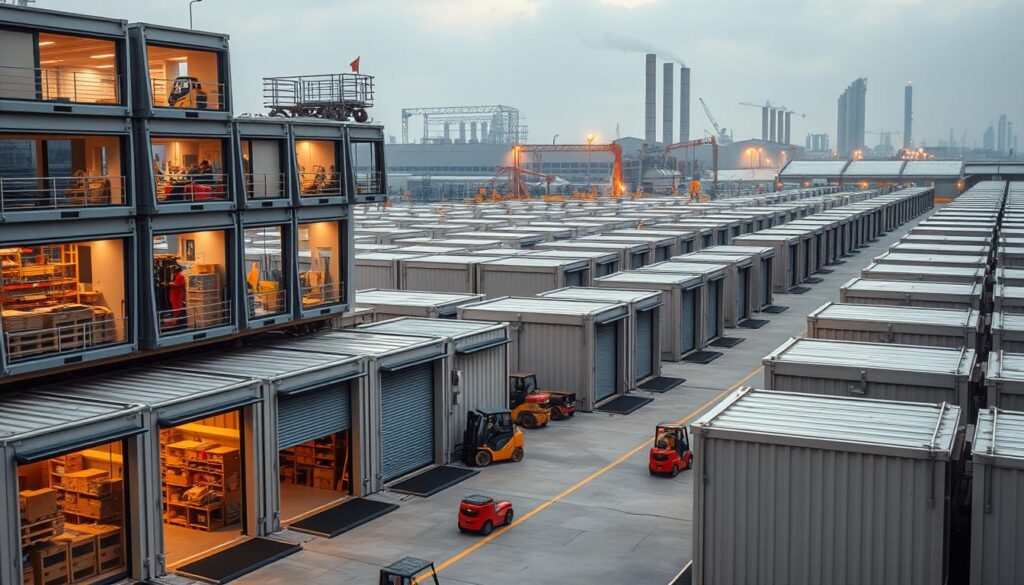
Efficient space management also means using vertical space and smart storage solutions. SMEs can use wall-mounted storage and multi-tiered shelving to keep floors clear. This improves safety and boosts workspace efficiency.
Optimizing Land Development Projects
SMEs can also maximize their units by engaging in land development projects. This could mean working with neighboring businesses or developers. Together, they can create integrated industrial parks with shared amenities and services.
By using these strategies, SMEs can turn their industrial strata units into highly productive workspaces. This can lead to better operational performance and a competitive edge in the market.
Assessing the Market Demand for Strata Units
The SME sector in Singapore is growing fast. This growth means more demand for industrial strata units. These units offer flexible and affordable space for SMEs.
Real estate developers and construction companies are stepping up. They’re building more strata-titled properties. These properties let SMEs own or lease space that fits their needs.
The demand for strata units also depends on their location. Places with good connectivity and infrastructure are most appealing. They make it easier to move goods and services.
Case Studies: Successful SMEs in Strata Units
Many SMEs have thrived in industrial strata units. For example, a manufacturing company in Singapore’s industrial estate grew quickly. The flexible space helped a lot.
A logistics company also benefited from a strata unit in a connected area. It improved its supply chain operations.
These stories show how strata units can help SMEs grow. As the market keeps changing, the demand for these units will likely stay high. This is thanks to SMEs’ needs and the efforts of developers and construction companies.
Legal Considerations for SMEs in Strata Units
When SMEs think about investing in industrial strata units, they face a complex legal world. It’s key to understand the legal setup to make smart choices and avoid problems.
One big legal issue is zoning laws. SMEs must check if the strata unit fits local zoning rules. This means knowing what the property can be used for and any rules on how it’s run.
Understanding Strata Management Regulations
Strata management rules are important for keeping strata-titled properties in good shape. SMEs need to know their duties, like paying for upkeep and following by-laws.
Good property management can guide SMEs through these rules. It helps them follow the rules and avoid conflicts with others or the management team.
Navigating Zoning Laws
Zoning laws control how a property can be used, including business activities. SMEs should do their homework to make sure the strata unit’s use fits local laws.
By getting these legal points right, SMEs can make the most of their investment in industrial strata units. They can enjoy the benefits of owning property while keeping legal risks low.
Common Misconceptions About Industrial Strata Units
There’s a lot of confusion about industrial strata units that needs clearing. Many think owning one is hard because of shared ownership and management. But, this isn’t always true.
Some think strata ownership is too complex for individual investors. But, with help from experienced building contractors, SMEs can handle it. Strata ownership can also offer more flexibility and growth chances, thanks to thriving industrial areas.
Another myth is that strata fees are too high and not needed. While strata fees are part of owning a unit, they cover important costs. For SMEs, this means knowing their expenses and less worry about space upkeep.
Many also think industrial strata units aren’t good for long-term investments. But, these units can grow in value over time, in areas with high demand. Nearby housing projects and developments can also boost their value.
Some believe strata units have strict bylaws that limit their use. While bylaws are there, they help the complex run smoothly. SMEs can work within these rules to use their space well.
By knowing the truth about industrial strata units, SMEs can make better investment choices. It’s key to look past the myths and see the real benefits and potential of these units.
The Future of Industrial Strata Units
Industrial strata units are changing how real estate developers work in Singapore. More SMEs want unique industrial spaces, driving this market’s growth.
The future is bright, with trends moving towards flexible and custom industrial solutions. Developers are adding new designs and tech to their projects.
Technology and sustainability are key in the future of industrial strata units. Developers aim to create smart spaces that meet SME needs now and in the future.
The market will grow as more SMEs seek custom industrial spaces. This demand is making developers more creative in their projects.
It’s crucial for SMEs and developers to keep up with the industrial strata units market. Staying informed helps them make smart investment choices and plan for the future.
Tips for Investing in Industrial Strata Units
Investing in industrial strata units can be very profitable for SMEs in Singapore. To make a good investment, you need to think about a few important things. First, look into the demand for these units and find areas with lots of growth.
Working with a trusted construction company is key. They make sure your unit is built well. Also, pick a good property management service. They help keep costs down and increase your returns.
Before buying, understand the legal side of owning an industrial strata unit. Get advice from a Property and Builders expert. This way, you make a wise choice that helps your business grow.

 mypropertyandbuilders.com